| Books | Chapters in Books | Articles & Blogs | Papers to Conferences | Research Reports | Television & Talks |
|
||||||||||||||
Her selected works
were published by Routledge in 2014 in the
World Library of Educationalists Series The
Politics of Race, Class and Special Education. |
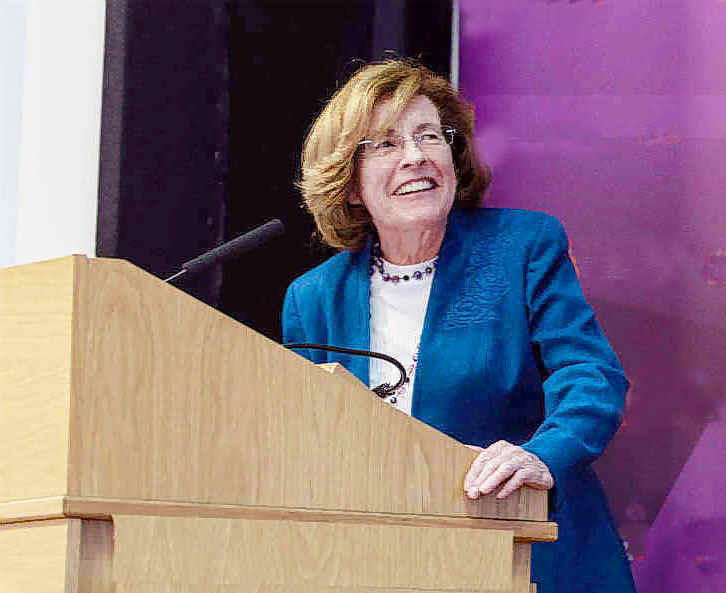 |
Sally Tomlinson
started her career as a social worker and infant school teacher and has worked in higher education for over thirty-five
years. She has taught, researched and written for all of her career in the areas of race, ethnicity and education, educational policy and special and inclusive education and was a member of the Commission on the Future of Multi-ethnic Britain which reported in 2000. She has held Professorial Chairs at the University of Lancaster, England; University of Wales, Swansea; and as Goldsmiths Professor of Education Policy and Management at Goldsmiths, University of London, where she also served as a Pro-Warden (Vice_Principal). She is an Emeritus Professor at Goldsmiths, and an Honorary Fellow in the Department of Education, University of Oxford, and is also an Associate in the Department of Sociology University of Warwick She has been a Visiting Professor at the University of Wolverhampton, a member of Bradford University Court, Chair of the Advisory Centre for Education, a member of the Governing Council of the University of Gloucestershire and a member of the Governing Council of the South Worcestershire Further Education College. |
||||||||||||
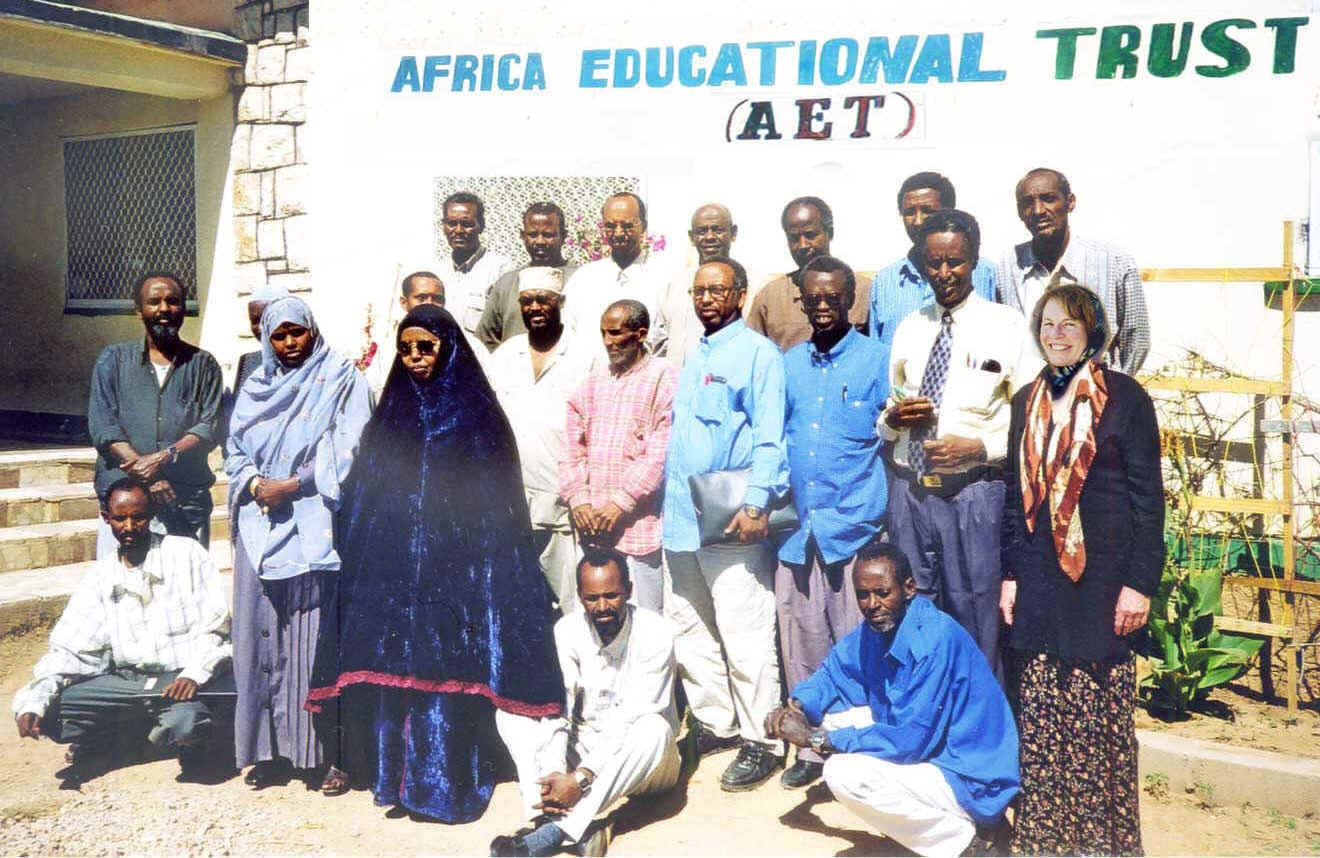
She was a Trustee
of the Africa Education Trust
|
 |
|||||||||||||
|
||||||||||||||
|
||||||||||||||